Static crucibles bring aluminum to working temperature, dripping into the chamber an acoustic phased array guides each droplet to landing place.
Commodity aluminum pellet feeds into the crucible as it needs, sorted outside the hot zone. Employing traditional melting techniques means we use the cheapest feedstock on every print.
Gravity does the heavy lifting of motion, slight nudges from the sides allow the acoustics to alter the path of the droplet without significant energy input or contact.
The engineers working
on the project.
Six of us, all at Stanford.
OPEN ROLES · 02
STANFORD · CA

Founder. Runs system architecture and the company-level technical decisions.

Leads the thermal and materials work at the deposition window.
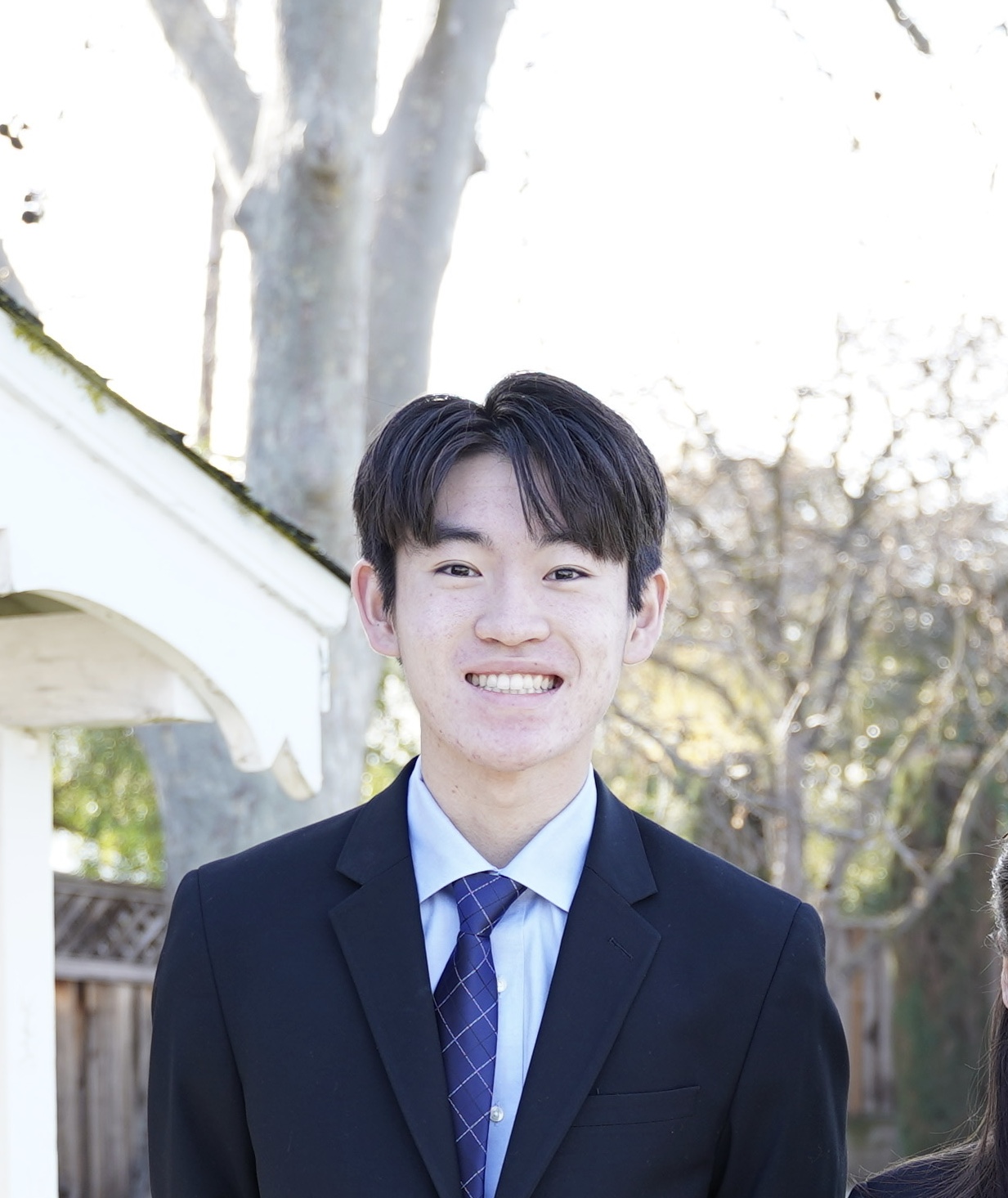
Runs the digital signal path that turns coordination targets into commands the emitters execute.

Builds the boards: drive electronics for the emitters, sensor front-ends, and the analog/digital boundary.

Drives the induction-heating and high-power work for the build environment.

Handles the physical builds and the test rigs the rest of the team's work runs on.